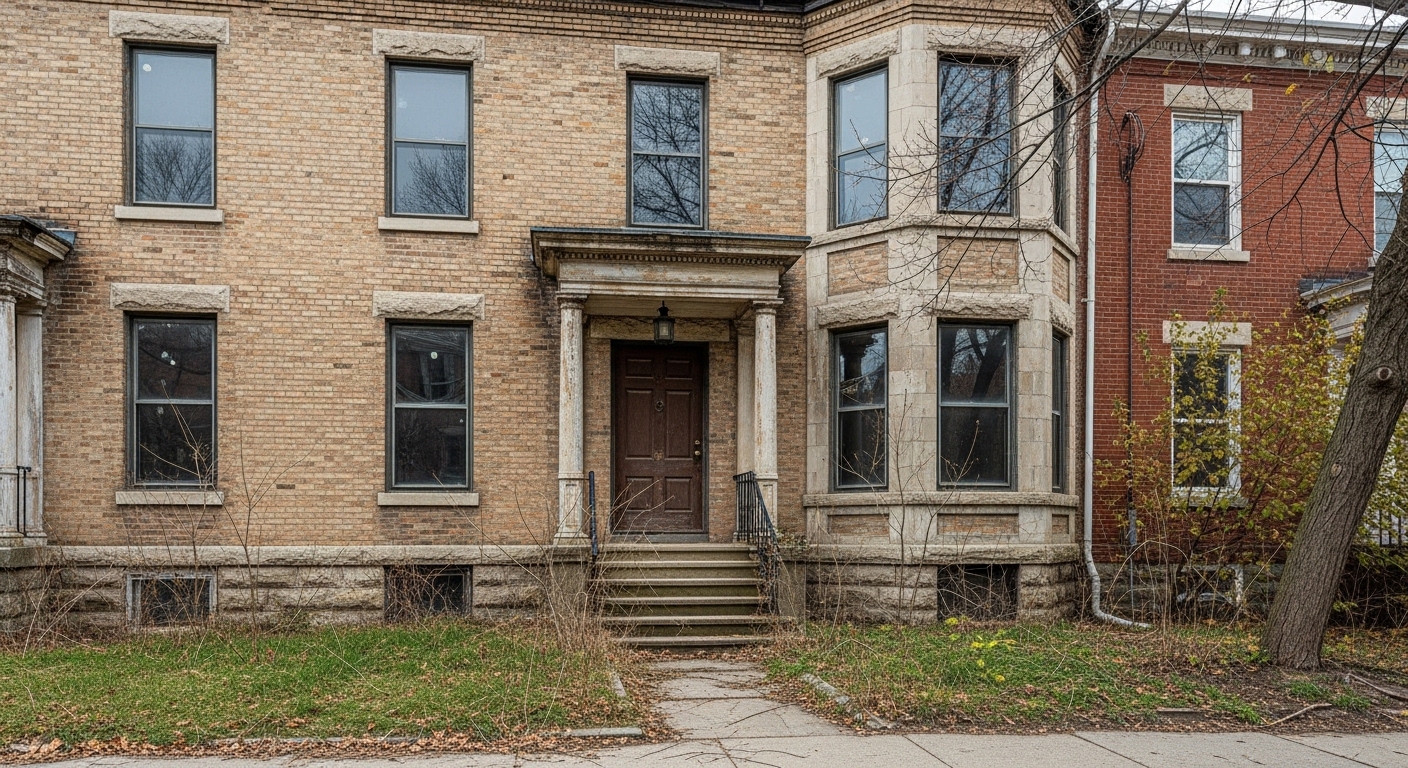
If you've been paying attention to the real estate market lately, you might have noticed something shifting. After years of historic lows, foreclosure activity is ticking back up across the country. While that might sound alarming, it's actually creating some genuine opportunities for savvy investors and buyers who know where to look and how to move strategically.
Let me be clear: distressed sales still only make up 2% of all transactions, so we're nowhere near the chaos of 2008. But if you're hunting for value in Cambridge's competitive market, understanding how to find and evaluate distressed properties could be the edge you need.
What's Happening in the Foreclosure Market Right Now
The numbers tell an interesting story. In April 2026, U.S. foreclosure activity declined from the prior month but remained higher than levels reported one year earlier, continuing a gradual normalization trend in the housing market. While overall filings declined from the previous month, year-over-year increases suggest lenders may be working through distressed inventory as higher borrowing costs and affordability challenges impact some homeowners.
What does this mean for you as a potential buyer or investor in Cambridge? The market is steadily producing more opportunities than we've seen in years. Properties that might have been snatched up instantly in a typical seller's market are now sitting available for those with the right knowledge to pursue them.
Understanding Distressed Properties: The Three Main Types
Before you start searching, you need to know what you're actually looking for. Distressed properties generally fall into three categories:
Pre-Foreclosures: These are properties where the owner has missed payments but the lender hasn't yet completed the foreclosure process. The lender issues a Notice of Default (NOD) for missed mortgage payments, and the property enters pre-foreclosure. Check public records/specialized data sources to identify pre-foreclosures. You can approach homeowners during this time to attempt to negotiate a purchase. This is often where the best deals happen because you're negotiating directly with a motivated seller before the bank takes over.
REO Properties (Real Estate Owned): Bank-owned properties have been through the foreclosure process, and are now being sold by the bank. They are referred to as REO (real estate owned) properties. REO properties give buyers the most options when it comes to financing because lenders want to sell quickly and limit their losses.
Short Sales: Short sales have not yet been foreclosed, but they may be headed in that direction. The homeowner is typically in default on their mortgage, and foreclosure proceedings may be in progress. These require lender approval but can offer flexibility in negotiation.
Where to Find Distressed Properties in Cambridge
Here's where most people get stuck. Many distressed properties don't show up on typical listing sites in the same way traditional homes do. You need to know the right channels.
Online Property Search Platforms: Start with HOUSEJET, which features comprehensive listings and allows you to filter for distressed properties. In addition to searching the usual resources such as newspapers and online real estate listings and websites, you will want to search various bank and government websites for REO properties. Banks often list their REO inventory on their own websites, so don't overlook those direct sources.
Public Records and Government Resources: Check public records/specialized data sources to identify pre-foreclosures. Middlesex County records are publicly accessible online, and you can find notices of default before properties hit the market. Government agencies sell real estate and federal lands either by auction or offer. Federal agencies acquire these properties through foreclosure, forfeiture, or failed banks. These federal agencies sell real estate on their websites or business partner sites.
Auction Platforms: There are two types of auctions that may occur, a public foreclosure auction or public auction through an auction company. A public foreclosure auction can occur when ownership of the property officially transitions to the bank. If the property is not sold during the public foreclosure auction, the property is then listed with a real estate agent.
Working with a Real Estate Agent: And here's where I come in. This is probably your best bet, especially if you're new to buying distressed properties. Look for an agent who knows a lot about short sales, foreclosures, and REOs. As a real estate agent in Cambridge with experience navigating distressed properties, I have access to off-market listings, insider knowledge about upcoming foreclosures, and relationships with banks and loss mitigation departments. My experience in the Cambridge market specifically means I understand the neighborhoods where distressed properties are appearing and which areas offer the strongest potential for appreciation.
Evaluating a Distressed Property: What You Really Need to Know
Finding a distressed property is one thing. Evaluating whether it's actually a good deal is entirely different. This is where many first-time investors stumble.
Condition Assessment is Non-Negotiable: Most distressed properties are sold "as-is," which means that the seller (usually the bank) doesn't promise anything about the condition and won't fix anything before closing. You can't always look over the property carefully before you buy it, especially at an auction. Even for REO properties that you can go inside, there is usually no history of repairs, disclosure documents, or information about problems that have happened in the past. Getting a home inspection is always a good idea, but it is particularly important when buying a foreclosed home. Given that the bank has not maintained or had first-hand knowledge of the REO property prior to acquisition, there may be no record of property repairs or maintenance that would assess the true property condition. As a result, the bank is often unable to verify the condition of the property or complete a Seller's Disclosure.
I always insist on professional inspections for my clients looking at distressed properties in Cambridge, even when it costs extra. Hidden structural issues, roof problems, or system failures in these older Cambridge properties can quickly eat into any savings you thought you'd secured.
Title and Lien Research: Sometimes there are title problems or liens that weren't properly handled when a property goes into foreclosure. It's possible that there is an old mechanic's lien from a contractor who never got paid. You might have a tax lien because you didn't pay your property taxes. There might still be a second mortgage on the property. Before you close, you absolutely need to do a full title search.
Market Value Assessment: Just because a property is discounted doesn't mean it's a good investment. You need to understand what comparable properties in Cambridge are actually selling for and whether the renovations required will realistically bring the property to that value.
The Challenges You Should Expect
I won't sugarcoat this—buying distressed properties comes with real complications.
Banks have their own rules and procedures for getting things done. Your offer may have to go through more than one department. The property might need to be appraised more than once. You might need to fix title problems. Things get lost. People take trips. Honestly, it's a nightmare. You need to be patient and open-minded.
Average closing timelines for distressed properties range from 6 months to 1 year, significantly longer than the 6-8 week timeline for traditional home purchases. If you need to move quickly, distressed properties probably aren't your answer.
There's also the matter of competition. The bad thing about doing it yourself is that you're up against investors who have been doing it for a long time and have systems in place. I've seen first-time buyers lose out on homes over and over again because they didn't act quickly enough or didn't make their offers the right way.
Financing Distressed Properties
Here's something many buyers don't realize: getting traditional mortgage financing for a distressed property can be challenging. You are unlikely to find this type of financing with traditional lending institutions like banks or credit unions. These lenders view distressed property projects as too high-risk. Traditional bank financing like conventional mortgages and commercial loans. Hard money loans from private lenders who can close quickly with less stringent qualifications.
If you're planning to invest in a distressed property in Cambridge, have your financing pre-arranged before you start making offers. This gives you a competitive advantage and demonstrates to sellers that you're a serious buyer.
Why Working with a Cambridge-Based Agent Matters
The Cambridge real estate market has its own quirks. Historic neighborhoods, complex zoning regulations, and specific investor networks that operate here all matter when you're hunting distressed properties. As your local real estate agent, I understand which Cambridge neighborhoods are producing the most distressed inventory, which areas are likely to see appreciation post-renovation, and how to navigate the nuances of buying foreclosed properties in this specific market.
I also have established relationships with loss mitigation departments at major banks, access to proprietary foreclosure data, and the experience to guide you through a process that can otherwise feel overwhelming. Whether you're looking at a distressed property in Cambridge, or investigating opportunities in surrounding areas, having an agent who specializes in these transactions makes a significant difference.
Moving Forward
The current market environment is creating opportunities that didn't exist a few years ago. Savvy licensees will continue to earn income as the market continues to shift toward more distressed sales, called non-conventional sales. Whether you're an investor looking to flip properties, someone seeking a primary residence at a discount, or building a rental portfolio, distressed properties deserve serious consideration.
But they also deserve serious due diligence, careful evaluation, and expert guidance. If you're ready to explore what's available in Cambridge's distressed property market, I'm here to help you navigate the process from start to finish. Let's find the right opportunity for your investment goals.
Ready to discuss distressed property opportunities in Cambridge? Reach out to me at Lady Rose Homes, and let's start your search.